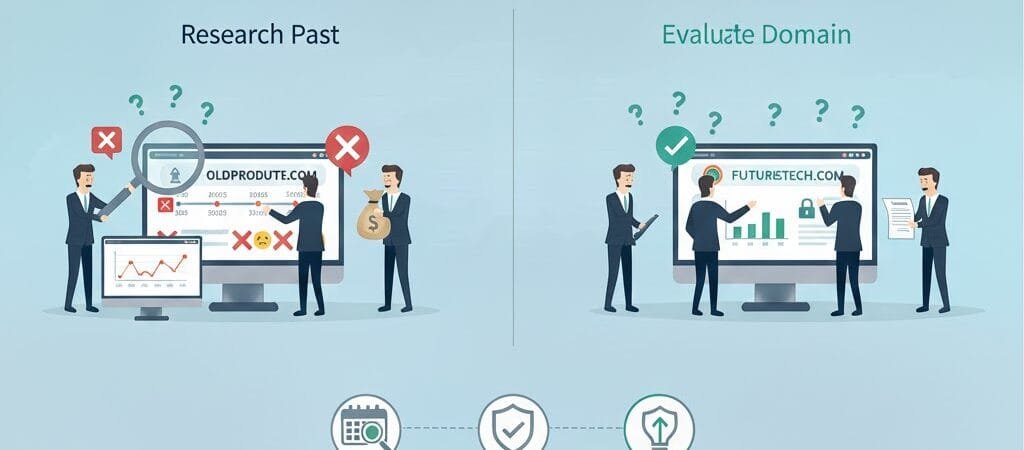
Before proceeding with the purchase of a domain, it is critically important to examine its history. A domain’s past can significantly impact various facets of its future, including search engine optimization (SEO) value, brand reputation, and potential risks that might arise post-acquisition. Neglecting to check this history could lead to undesirable consequences, making it essential for any buyer to undertake this research.
Thank you for reading this post, don’t forget to subscribe!A domain’s previous ownership and its activities can influence your website’s SEO rankings. If the domain was previously associated with spammy content or black-hat SEO practices, search engines may have penalized it. This could result in lower visibility and consequently affect traffic to your new website. Hence, understanding the prior use of a domain can help determine its potential for effective online performance.
Moreover, the reputation of the domain plays a crucial role in brand perception. A domain previously linked with unethical or illegal activities can create negative sentiments around your brand, damaging potential customer trust. Performing a thorough investigation into a domain’s history enables prospective buyers to safeguard their image and reputation in the market.
In addition to SEO factors and brand considerations, there may be legal pitfalls associated with a domain’s history. Previous ownership can involve trademark issues or lingering legal liabilities that can affect new owners. By researching the domain’s history, one can uncover any potential challenges that might arise, allowing for informed decision-making.
In conclusion, ensuring that you perform a comprehensive analysis of a domain’s history is indispensable. This process will help buyers mitigate risks while enhancing their capacity for successful online endeavors. A well-informed decision will ultimately pave the way for a rewarding digital experience.
Understanding Domain History
The concept of domain history encompasses various critical elements that collectively contribute to a domain’s value and potential. When considering the purchase of a domain, understanding its history is essential for making a well-informed decision. A domain’s history includes several key aspects such as domain registration dates, previous ownership, and the content that has been hosted on the domain in the past.
First and foremost, the registration date of a domain can provide insights into its longevity and trustworthiness. Domains that have been registered for an extended period may demonstrate stability, while those that are newly registered could indicate a fresh beginning. It is advisable to check the domain’s age, as older domains might carry a higher level of credibility with search engines, which can favor established websites over newer ones.
Previous ownership is another vital aspect of domain history. The identity of former owners and their use of the domain can significantly influence the potential purchase. For example, if a domain was previously owned by a recognized brand or reputable entity, this might add value; conversely, if it had been associated with spam or malicious activities, acquiring such a domain could pose risks to your online reputation.
Additionally, examining the past website content is crucial in understanding a domain’s history. Tools like the Wayback Machine allow potential buyers to view archived versions of a site, offering insights into its previous purposes and any search engine optimization (SEO) aspects tied to it. This historical content can reveal valuable information about how the domain was utilized and its performance in search rankings.
In essence, a thorough investigation into these facets—registration dates, ownership history, and past content—is imperative for assessing the viability and potential risks associated with a domain before purchasing. Taking the time to analyze a domain’s history can safeguard against unforeseen issues and help ensure that your investment is sound.
Tools for Checking Domain History
Understanding a domain’s history is crucial before making a purchase, as it offers insights into its previous ownership, usage, and potential risks. There are several effective tools available for checking domain history, each serving different aspects of this analysis.
One of the primary resources is the WHOIS database. This tool provides details on the current and past registration of a domain, including the registrant’s contact information, registration dates, and expiration dates. WHOIS data can help track when the domain was first registered and any changes in ownership. To access WHOIS data, users can visit various websites offering this service—most commonly found through domain registrars or dedicated WHOIS lookup sites.
The Wayback Machine is another invaluable tool for gauging a domain’s past. This digital archive allows users to view historical snapshots of web pages, offering insight into how a website has evolved over time. By entering the domain into the Wayback Machine, users can explore the content, design, and any significant changes it underwent. This feature is beneficial in identifying whether the domain was previously associated with reputable or disreputable content.
Additionally, there are specialized services like Ahrefs and Semrush that provide comprehensive analysis of a domain’s backlinks, traffic estimates, and organic search performance. These tools can offer a deeper understanding of the domain’s SEO history and its potential value in the market. Utilizing these tools effectively allows prospective buyers to make informed decisions, mitigating risks associated with purchasing a domain that may have a problematic past.
Analyzing WHOIS Information
When considering the purchase of a domain, one critical step is to analyze its WHOIS information. WHOIS databases are repositories that contain details regarding a domain, including the owner’s information, registration date, and status. Collecting this information can provide valuable insights into the domain’s history and previous ownership, which may indicate its legitimacy and potential for future use.
The first element to examine in WHOIS data is the registration date. Knowing when the domain was first registered can reveal its age, which might play a role in its credibility. Older domains could benefit from established backlinks and a pre-existing web presence, assisting in search engine optimization (SEO) efforts. Conversely, if a domain has been registered recently but shows signs of abrupt changes, this could serve as a red flag regarding its stability or purpose.
Ownership details are another vital aspect of WHOIS analysis. This information can help you identify whether a domain has changed hands multiple times, potentially indicating past issues or suspicions around its use. Additionally, WHOIS records may reflect privacy protection services that mask the owner’s details. While such services can offer anonymity, they might also complicate your ability to contact the owner if disputes arise post-purchase.
Another important consideration is the domain’s status in the WHOIS record. A status labeled as ‘locked’ can prevent unauthorized transfer, signifying that the owner is taking precautions to protect the domain. Furthermore, any notations about past expirations or renewals can lend insights into the owner’s engagement with the domain.
In sum, a thorough analysis of WHOIS information can provide a clearer picture of a domain’s past. By focusing on critical elements such as registration date, ownership history, and record status, potential buyers can make informed decisions regarding their prospective domain purchases.
Using the Wayback Machine
The Wayback Machine, a digital archive managed by the Internet Archive, serves as an invaluable resource for assessing the historical context of a specific domain. By utilizing this tool, users can view archived versions of web pages dating back to as early as 1996. This feature is particularly useful when considering the purchase of a domain, as it allows for an in-depth exploration of how the site’s content, design, and ownership have evolved over time.
To access the Wayback Machine, simply navigate to its website or directly enter the URL of the domain you wish to investigate into the search bar. The resulting timeline reveals various snapshots of the site taken at different points in time. Users can select specific dates to view the content of the domain as it appeared during those periods. This glimpse into the past can help inform potential buyers about the previous use of the domain, any changes in branding, and how its focus might have shifted over the years.
When evaluating a domain’s archived content, several factors should be considered. First, take note of the nature of the content presented on the website. Was it consistently relevant and professional, or did it exhibit drastic changes that might raise red flags? Additionally, assess the frequency of updates and modifications made to the site. A well-maintained domain likely indicates a proactive owner. Furthermore, examining the links that were present during the archived snapshots can shed light on the associations and reputational elements tied to that domain.
In conclusion, the Wayback Machine serves as a critical tool for anyone looking to gain insight into a domain’s past. By thoroughly reviewing archived pages, potential buyers can make informed decisions and avoid potential pitfalls associated with previously problematic sites.
Checking for Previous Penalties or Bans
When considering the purchase of a domain, it is essential to investigate whether the domain has faced any penalties or bans imposed by search engines. Such penalties can adversely affect future search engine optimization (SEO) efforts, leading to reduced visibility and lower traffic levels. A domain that has previously been penalized may face ongoing challenges in regaining its standing within search engine rankings, impacting the overall success of your online presence.
One effective strategy for checking the history of penalties involves utilizing Google’s Search Console, which can provide insights about penalties that may have been enforced on the domain. Although access to Search Console is necessary to view this information, understanding how to navigate it can yield valuable insights. If you find that the domain was subjected to a manual action, it is critical to assess the nature of the violation, as this will help you gauge the effort required for recovery.
Additionally, leveraging third-party tools such as Ahrefs or SEMrush can provide useful data regarding the domain’s overall backlink profile, allowing for identification of potentially harmful links that may have contributed to past penalties. Monitoring the domain’s history through tools like the Wayback Machine can also shed light on its previous content and purpose, which can be relevant in understanding its current standing.
Lastly, thoroughly reviewing web forums and community discussions can unveil insights from previous owners or users regarding their experiences with the domain. This information can be invaluable in understanding any recurring issues the domain may have faced. Overall, diligently checking for previous penalties or bans is instrumental in safeguarding your investment and ensuring the domain can support your SEO objectives effectively.
Reviewing Past Content and Brands
One of the most crucial steps in assessing a domain before purchase is reviewing its past content and associated brands. Historical content can provide insight into the domain’s reputation and its potential impact on your future endeavors. To begin, utilize various online tools such as the Wayback Machine, which can illustrate how the domain was used across different periods.
When evaluating the domain’s history, pay close attention to the type of content that was previously hosted. If the domain was associated with spammy sites, such as those promoting dubious products or services, this could severely tarnish its reputation. Moreover, domains tied to controversial topics might pose a risk as well, potentially repelling your target audience or creating negative associations with your brand.
Conversely, if the domain has a history with reputable brands or quality content, it might enhance your credibility and broaden your reach. In analyzing past content, consider the frequency and nature of updates. A website that consistently posted original content over time is more likely to have a positive digital footprint than one filled with outdated information or irrelevant links.
Additionally, examining anchor texts, backlinks, and social media mentions can be insightful. These factors will reveal how others engaged with the content that was previously available on the domain. A domain with a wealth of quality backlinks from authoritative sites is likely more valuable than one with numerous low-quality or spammy backlinks.
In conclusion, thoroughly reviewing past content and brands connected to a domain is vital. Understanding its history can help you determine whether purchasing the domain aligns with your brand’s or project’s values and goals, ultimately aiding in making an informed decision.
Evaluating Backlink Profiles
When considering the purchase of a domain, one crucial aspect that warrants thorough examination is the domain’s backlink profile. Backlinks, or inbound links, are links from other websites pointing to the domain in question. They play a significant role in search engine optimization (SEO) and can immensely influence a domain’s authority and visibility in search results. Consequently, assessing the quality and quantity of backlinks associated with a domain can provide valuable insights into its past and potential performance.
To evaluate a domain’s backlink profile, various tools are available that can help decipher its link data. Services such as Ahrefs, Moz, and SEMrush offer comprehensive analyses of a domain’s backlinks. These tools can reveal pertinent information, including the total number of backlinks, the referring domains, anchor text distribution, and the domain authority of the linking sites. Understanding these factors allows potential buyers to determine whether a domain has a healthy backlink profile or if it bears any penalties from search engines due to low-quality links.
Another essential aspect of backlink evaluation is distinguishing between high-quality and low-quality backlinks. High-quality backlinks originate from authoritative, relevant websites and can positively impact the domain’s SEO standing. Conversely, low-quality links, particularly from spammy or irrelevant sites, can harm a domain’s reputation and search rankings. Additionally, a diverse range of backlinks is generally more favorable, as it indicates a broader acceptance within the digital community.
In summary, a detailed assessment of a domain’s backlink profile is a fundamental step in the acquisition process. It can unveil potential risks and opportunities associated with the domain, guiding informed purchasing decisions. By leveraging the right tools and understanding the intricacies of backlinks, buyers can ensure they are investing in a domain with a solid foundation for future success.
Conclusion and Final Checklist
In the process of purchasing a domain, understanding its history is imperative. A domain’s past can reveal vital information regarding its reputation, potential SEO implications, and overall viability for your project. By conducting a thorough examination of the domain, buyers can make informed decisions that may influence the success of their website. Key considerations include checking the domain’s registry details, previous ownership, any penalties or bans associated with it, and its performance in search engine rankings.
To consolidate the aforementioned discussions, here is a practical checklist to aid in evaluating a domain’s past before making a purchase:
- Verify domain registration details for authenticity.
- Utilize tools like Wayback Machine to review the website’s historical content.
- Search for any past penalties or issues on search engines.
- Assess the domain’s backlinks and overall link profile.
- Check if the domain has been associated with any negative activities, such as spam.
- Review relevant traffic and domain analytics through various tools.
- Consider the domain’s age and its impact on SEO rankings.
- Consult with domain brokers or experts for additional insight, if necessary.
By following these steps, potential buyers can minimize risks and enhance their chances of acquiring a valuable domain. This comprehensive approach not only helps uncover hidden aspects of the domain’s history but also aligns with best practices in the digital landscape. Careful consideration and thorough research will ultimately lead to more informed purchasing decisions in the realm of domain names