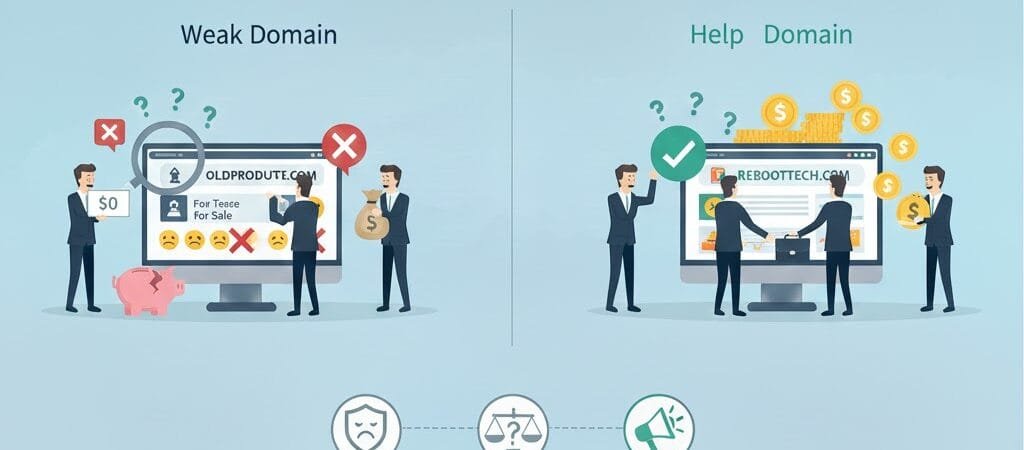
Expired domains are internet domain names that were once registered but have since lapsed or been released back to the domain registry due to non-renewal by the previous owner. This lapse can occur for various reasons, including financial constraints, a change in business direction, or simple oversight. Regardless of the catalyst, these domains often maintain some level of inherent value, either through existing backlinks, traffic, or branded recognition.
Thank you for reading this post, don’t forget to subscribe!When assessing the characteristics of expired domains, it is critical to differentiate between those that hold potential value and those that could be detrimental to a brand. A high-quality expired domain typically has a clean link profile, meaning it has not been associated with any spammy or malicious activities that could harm its reputation. Additionally, domains with a history of high traffic, substantial backlinks from reputable websites, and relevant keywords in their domain name are considered more appealing. This can enhance a new owner’s SEO efforts significantly.
Conversely, some expired domains may pose risks to an acquiring brand. Domains previously linked to disreputable content or those that have been penalized by search engines can lead to negative association and diminished online visibility. Therefore, conducting thorough due diligence is imperative when considering the acquisition of any expired domain. It is advisable to assess the domain’s history using tools like the Wayback Machine, check its backlink profile through services such as Ahrefs or Moz, and evaluate its SEO performance metrics.
In summary, while expired domains can represent opportunities for brand enhancement and online visibility, they require careful vetting to ensure they align with the brand’s integrity and objectives. Understanding the nuances of what constitutes a valuable versus problematic expired domain can significantly impact a brand’s success in the digital landscape.
The Potential Advantages of Expired Domains
Utilizing expired domains can offer various advantages for organizations and entrepreneurs aiming to enhance their online presence. One of the most significant benefits is the potential for improved search engine optimization (SEO). Expired domains often come with existing backlinks from other reputable sites, which can be highly valuable. These backlinks can significantly boost the new site’s rank on search engine results pages, leading to increased visibility and organic traffic.
Another compelling advantage of expired domains is the instant increase in domain authority. Domain authority is a metric used to predict a site’s ability to rank on search engines; acquiring a domain that already has a high authority can give your brand a competitive edge. This aspect is especially beneficial for startups or new businesses looking to establish a foothold in their respective markets.
In addition to SEO advantages, expired domains can also come with pre-existing traffic. Some domains may have previously attracted a steady stream of visitors, which can translate into immediate recognition and potential customer conversion. This means businesses can capitalize on an existing audience almost right away, rather than starting from scratch.
Furthermore, domains that contain rich keywords, relevant to your niche, can increase the likelihood of attracting organic visitors. Keywords are essential for SEO and can significantly influence how your website ranks in search engines. Such domains can assist in capturing the attention of target audiences effectively.
There are several success stories that illustrate the effectiveness of utilizing expired domains. Many businesses have reported improved rankings and increased traffic after acquiring domains that once held significant value. This reflects the double-edged sword nature of expired domains, emphasizing the need for strategic acquisition while leveraging their inherent advantages.
The Risks Involved with Expired Domains
Purchasing expired domains may seem like a savvy strategy for enhancing one’s online presence or benefitting from pre-existing traffic. However, this approach is fraught with potential risks that can negatively impact your brand’s reputation and search engine standing. One of the most significant concerns is the possibility of incurring penalties from search engines like Google. If an expired domain was previously associated with spammy practices, such as keyword stuffing or black-hat SEO techniques, it may carry a tarnished history that affects its value. Websites often find themselves penalized if they fail to recognize and address these prior violations.
Another critical risk associated with acquiring expired domains is brand confusion. When a domain has been associated with different entities or products over time, customers may struggle to identify the current brand associated with it. This confusion can diminish trust and drive potential customers away, ultimately harming your business’s credibility. For instance, if an expired domain once belonged to a low-quality service, consumers may associate your brand with that negative experience, leading to a reluctance to engage with your products or services.
Furthermore, the ownership history of a domain can raise questions regarding its integrity. If the transfer of ownership is not well-documented, it could lead to disputes or issues verifying the domain’s rightful owner. This situation can have long-term ramifications for a brand’s reputation. Numerous businesses have faced challenges when trying to establish themselves on a domain with a shady past, leading to lost revenue and a damaged online presence. A well-known case involved a company that acquired an expired domain only to discover that its previous owner had engaged in deceptive marketing practices, which ultimately resulted in a significant drop in traffic and customer trust.
Evaluating the History of Expired Domains
When considering the acquisition of an expired domain, a thorough evaluation of its history is crucial. A domain’s previous ownership can provide valuable insights into its integrity, reputation, and potential value for branding or SEO efforts. Start by utilizing domain history lookup tools such as Wayback Machine, which allows you to examine archived snapshots of the website that was previously hosted on the domain. This can help you determine the type of content that was featured and whether it aligns with your current brand ethos.
Backlinks are another essential factor to consider when assessing the history of an expired domain. Tools like Ahrefs, Moz, or SEMrush can provide data on the quality and quantity of backlinks associated with the domain. High-authority backlinks can enhance the domain’s credibility, while toxic links may result in penalties from search engines. It’s pertinent to analyze the backlink profile thoroughly to avoid inheriting any negative associations that could potentially damage your brand’s online reputation.
Additionally, traffic patterns should be scrutinized to gauge the performance of the expired domain. Using Google Analytics or similar platforms can be beneficial in evaluating historical traffic data. A consistent flow of organic traffic indicates a healthy domain, whereas significant drops may raise flags about its viability. Be sure also to check for any previous penalizations by search engines that could affect the domain’s future performance. Tools like Google Search Console can reveal any past issues, such as manual actions or algorithm-related penalties.
By relying on these methodologies—historical content, backlink analysis, traffic assessment, and penalization checks—you can make a well-informed decision regarding the acquisition of an expired domain, ensuring it aligns with your brand and marketing objectives.
Best Practices for Acquiring Expired Domains
Acquiring expired domains can be a strategic move that enhances your brand’s online presence, but it requires careful consideration and planning. The first step is to clearly define your goals. Are you looking to improve your search engine rankings, gain backlinks, or achieve brand recognition? Understanding your objectives will help guide the rest of your strategy.
Once your goals are established, conducting thorough research is essential. This involves checking the domain’s history, examining its previous content, and determining its current authority through metrics such as Domain Authority or Page Authority. Websites like Ahrefs and Moz can provide insights into these metrics, enabling you to make informed decisions. Ensure that the expired domain in question has not been associated with any negative practices, such as spam or penalties, which could harm your brand’s reputation.
Another crucial factor is to ensure that the expired domain matches your brand identity. This involves looking for a domain name that reflects your business, industry, or values. A domain that resonates with your target audience can contribute positively to your branding efforts. Likewise, consider the length and memorability of the domain; shorter, catchy names are generally more favorable.
Finally, it is imperative to purchase from reputable sources. Utilize trusted domain registrars to ensure that the transaction is secure and legitimate. Websites such as GoDaddy, Namecheap, or even private auctions can be reliable places to acquire expired domains. Additionally, consider consulting with experts or utilizing domain brokers if you are unfamiliar with the process. By implementing these best practices, you can effectively leverage expired domains to boost your brand’s online presence.
Integrating Expired Domains into Your Brand Strategy
Integrating an expired domain into your brand strategy can serve as a formidable tactic for enhancing your online presence and search engine optimization (SEO) outcomes. However, it is essential to approach this strategy with a comprehensive plan to fully leverage the benefits while mitigating potential risks. A well-thought-out incorporation of the expired domain can help redirect traffic effectively, provide a boost in domain authority, and align with your brand messaging.
One of the initial steps to consider is executing a 301 redirect from the expired domain to your main business website. This redirection helps capture traffic that may still be visiting the former site, allowing you to transition engaged visitors directly to your active platform. Additionally, it enables the transfer of SEO value accumulated by the old domain, which can contribute positively to your site’s overall ranking in search engine results pages (SERPs).
Furthermore, aligning the expired domain with your current brand messaging is critical. The content and theme of the expired domain should resonate with your brand identity and values to create coherence. This means evaluating the backlinks associated with the expired domain and determining whether they meet your brand’s standards. A thorough content audit can help in identifying areas where old content may need to be updated or rebranded to fit seamlessly into your existing brand narrative.
Moreover, consider developing targeted marketing campaigns that incorporate the traffic from the expired domain. Doing so not only engages existing visitors but can also attract new audiences who may have a vested interest in your products or services. By integrating social media promotion and email marketing strategies, you can effectively harness the potential of the expired domain.
In conclusion, embedding an expired domain into your brand strategy holds significant promise for growth and outreach. Nevertheless, the process requires meticulous planning and execution, ensuring that the transition is both smooth and beneficial for your brand.
SEO Considerations When Using Expired Domains
Utilizing expired domains can serve as a valuable tactic within your search engine optimization (SEO) strategy. However, it is essential to approach this method with caution, as there are numerous factors to consider. An expired domain may possess existing backlinks that can enhance the authority of your brand; nevertheless, not all backlinks are beneficial. Backlinks from authoritative sites can significantly boost your SEO ranking, while those from spammy or irrelevant domains can lead to detrimental effects.
First, it is crucial to conduct a thorough analysis of the expired domain’s backlink profile. Tools such as Ahrefs, Moz, or SEMrush can help assess the quality of these backlinks. Look for metrics such as Domain Authority (DA) and organic traffic before making a decision. If the expired domain shows a strong profile with a clean backlink history, it may present an opportunity for enhancing SEO efforts. However, if it has a troubled past marked by penalties from search engines, it would be wise to avoid it.
Additionally, consider the relevance of the expired domain to your current niche. An ideal domain would have a history that aligns closely with your brand’s objectives. Relevance not only aids in achieving better traffic but also ensures that users find value in the content linked to your site. This, in turn, can improve bounce rates and enhance user engagement, positively impacting your overall SEO performance.
Furthermore, once you have acquired an expired domain, it is vital to ensure fresh, original content is created to replace any outdated information. By optimizing the new content with targeted keywords and maintaining a consistent posting schedule, you can establish trust and authority in your niche. Avoiding spammy, keyword-stuffing practices while focusing on high-quality content will ensure your SEO rankings remain stable and improve over time.
Case Studies: Successful and Unsuccessful Uses of Expired Domains
Exploring real-life case studies of brands utilizing expired domains provides valuable insights into the potential benefits and pitfalls. One notable success story is that of eBay, which acquired the expired domain deals.com. This strategic purchase allowed eBay to strengthen its brand presence in the competitive deals space. By redirecting traffic from this domain to their main site, eBay effectively expanded its customer reach, leveraging the existing SEO value associated with the domain. The integration was smooth, resulting in increased visitor engagement and sales, demonstrating how a well-planned acquisition can yield fruitful results.
In contrast, we can observe a cautionary tale with the case of the once-prominent clothing brand, H&M, which attempted to acquire an expired domain that was previously involved with a controversial adult content website. H&M aimed to repurpose the domain for their new line of apparel. However, despite their efforts to rejuvenate the site, negative perceptions associated with the previous ownership lingered. Consequently, traffic was significantly lower than anticipated, and the brand faced public backlash over the association, leading to the eventual abandonment of the domain. This case illustrates how the background of an expired domain can profoundly impact a brand’s reputation.
These contrasting examples highlight the complexities involved in utilizing expired domains for brand development. Successful integration often depends on evaluating the domain’s past, its potential to enhance SEO, and the strategic vision for its use. Companies must conduct thorough research, ensuring that the expired domain aligns with their brand narrative, thus avoiding detrimental impacts while capitalizing on potential advantages.
Conclusion: Balancing the Pros and Cons of Expired Domains
In conclusion, the acquisition of expired domains presents both opportunities and challenges for businesses. As discussed throughout this blog, the potential benefits include enhanced SEO value, established backlinks, and increased brand visibility. An expired domain that once enjoyed a strong reputation can provide a significant boost to a new or existing brand, creating pathways for improved search engine rankings and customer trust.
However, the risks associated with expired domains must be carefully considered. The previous usage of an expired domain may harbor negative repercussions, such as penalties from search engines due to past violations or association with disreputable activities. Additionally, the challenge of re-establishing a domain’s reputation may take considerable time and effort, which, in some cases, may not yield the desired outcomes.
Businesses must undertake thorough due diligence when contemplating the use of expired domains. This includes assessing the domain’s history, relevance to the current brand, and the potential for integration into the broader marketing strategy. By weighing the advantages against the disadvantages, companies can make informed decisions that align with their long-term goals.
Ultimately, the choice to pursue expired domains should be guided by a comprehensive understanding of the brand’s current positioning and future aspirations. With strategic planning and careful evaluation, businesses can harness the value of expired domains while mitigating the associated risks. Balancing these pros and cons can lead to a more robust online presence and greater brand recognition, provided that one approaches the endeavor with clarity and foresight.