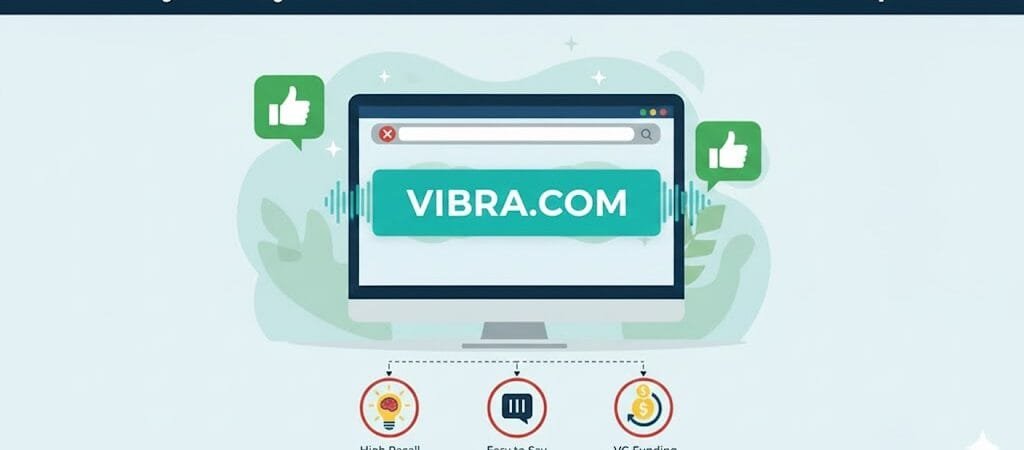
A domain name serves as the virtual address where individuals can access a business online. It is an integral part of a company’s digital identity and can significantly influence its branding and marketing efforts. Domain names allow users to navigate the web easily, providing a user-friendly alternative to entering complex IP addresses. The significance of a domain name extends beyond mere identification; it encapsulates a company’s brand and message in a concise and memorable format.
Thank you for reading this post, don’t forget to subscribe!Particularly for startups, the choice of a domain name can significantly impact initial customer perceptions. When a potential customer encounters a startup for the first time, the domain name is often their first interaction with the brand. It can shape their expectations regarding professionalism, credibility, and the overall quality of the products or services offered. A well-chosen domain name enhances the user experience by being easier to remember, spell, and share, thus facilitating word-of-mouth marketing.
Moreover, the importance of a domain name in digital marketing cannot be overstated. A concise and catchy domain name that resonates with the target audience can lead to increased online visibility and engagement. In the competitive landscape of online business, where startups vie for attention, having a standout domain name can serve as a powerful tool for differentiation. It is essential for startups to prioritize the selection of a meaningful and relevant domain name, as it plays a vital role in establishing their online presence and promoting brand recognition.
The Rise of Startups in the Digital Era
In recent years, the global economy has witnessed a significant increase in the number of startups, fueled largely by advancements in technology and a favorable investment climate. These nascent businesses are at the forefront of innovation, often disrupting established industries and creating new markets. As more entrepreneurs enter the startup landscape, the importance of establishing a robust online presence cannot be overstated. A well-crafted online identity enables these emerging businesses to reach a wider audience, enhance customer engagement, and differentiate themselves from competitors.
One of the key components of a startup’s online identity is its domain name. The choice of a domain name can drastically affect a company’s branding and outreach capabilities. Expert analysts agree that simpler, two-syllable domains tend to perform better. This is largely due to their memorability, ease of pronunciation, and ability to convey a brand’s essence with just a few syllables. In an era where attention spans are notoriously short, having a concise and impactful domain name is critical for any startup aiming to capture consumer interest.
Moreover, as these startups engage in digital marketing efforts, whether through search engine optimization (SEO) or social media campaigns, the effectiveness of their domain name becomes evident. A strong, two-syllable domain can serve multiple purposes; it enhances searchability while fostering brand recall among potential customers. With numerous startups competing for online visibility, the use of an effective domain strategy can be a deciding factor in achieving sustained growth and success.
As the number of startups continues to rise, it is essential for entrepreneurs to prioritize their online branding efforts, beginning with the crucial choice of an appropriate domain name. This decision not only reflects their business identity but also influences their ability to navigate the competitive digital landscape effectively.
Defining Two-Syllable Domains
A two-syllable domain is characterized by its brevity, consisting of only two phonetic units that collectively form the website’s URL. This can significantly influence how the domain is perceived by users, as shorter domains tend to be more memorable and easier to articulate. Examples of two-syllable domains include well-known brands like Google, Facebook, and Twitter. Each of these names is succinct, consisting of two syllables that flow smoothly together, making them easy to recall and pronounce.
The syllable count in a domain plays a crucial role in the memorability of a brand. Two-syllable domains are generally easier to remember than longer or more complex alternatives. This memorability is essential for startups, particularly in an increasingly crowded digital landscape where capturing consumers’ attention can be challenging. Brands that possess two-syllable domains benefit from enhanced recognition, as potential customers are more likely to recall a simple name rather than a long or complicated one.
Moreover, the pronunciation and rhythm of two-syllable domains further contribute to their effectiveness. Words that are deliberately structured to have a clear and straightforward pronunciation can help establish trust and ease of communication between the brand and its audience. Consequently, this simplicity promotes word-of-mouth marketing, which is invaluable to startups trying to expand their reach organically.
In summary, the concept of two-syllable domains encompasses the idea that less can often be more. By focusing on simplicity, businesses can improve their memorability and brand recognition, thereby increasing their chances of success in a competitive environment.
Cognitive Psychology and Memory Retention
Cognitive psychology plays a significant role in understanding how individuals process information and retain memories. One key principle within this discipline is the concept of cognitive load, which refers to the amount of information that working memory can handle at one time. Shorter, two-syllable domain names often minimize cognitive load, making it easier for consumers to process and remember these names. This reduction in cognitive effort is vital, especially in an information-rich environment where attention spans are limited.
Furthermore, the dual coding theory suggests that information is more easily retained when it can be associated with both verbal and visual memory systems. Two-syllable domains naturally lend themselves to this theory because they can be easily visualized and verbalized. For instance, a domain like “TechHub” is more memorable than a longer, more complex alternative. The simplicity of two-syllable names facilitates their storage in memory, contributing to better recall.
Research indicates that our brains favor brevity and conciseness. Two-syllable words align closely with our natural linguistic preferences, allowing consumers to grasp and remember names quickly. This phenomenon is especially important in branding and marketing, where the goal is to create strong, lasting impressions. When a potential customer hears or sees a brand name, their ability to recall it in the future can often determine their engagement with that brand. Thus, opting for a two-syllable domain not only supports memory retention but also enhances brand recognition, making it a strategic choice for startups aiming to establish themselves in crowded markets.
SEO Benefits of Two-Syllable Domains
In the realm of search engine optimization (SEO), domain names play a pivotal role in determining online visibility. Two-syllable domains have emerged as a favorable choice for startups, primarily due to their advantages in keyword relevancy, user engagement, and overall search performance. Research indicates that shorter domain names tend to be more memorable, which directly influences user interaction and click-through rates.
User engagement is a critical factor affecting SEO rankings. A study by the search giant Google suggests that shorter, straightforward website names are more likely to be clicked on in search results. When users can easily recall a domain, they are more inclined to engage with the content. This behavior significantly underscores the value of two-syllable domains. Such domains often encapsulate a brand’s identity succinctly, making them not just easy to remember but also easier to share.
Moreover, search engine algorithms often favor concise and relevant keyword matches. A domain that comprises two syllables aligns more closely with user search behavior, especially as users are keen to find quick answers and easily digestible content. Data analysis shows that domains containing relevant keywords, paired with brevity, can result in higher rankings across search engine result pages.
Furthermore, two-syllable domains tend to reduce the risk of typographical errors when users input website addresses. A study conducted by marketing experts revealed that websites with shorter and simpler domain names experienced a 20% decrease in user errors, fostering a more seamless browsing experience.
In conclusion, the SEO benefits of two-syllable domains for startups are multifaceted, emphasizing keyword relevancy, user engagement, and reduced errors. The combination of these factors not only contributes to better search engine ranking but also enhances the overall user experience, making them a strategic choice for new businesses in the digital age.
Branding and Marketability of Two-Syllable Domains
In the competitive landscape of startups, a concise and memorable domain name plays a crucial role in establishing a strong brand identity. Two-syllable domains are particularly effective in this regard. Their brevity and simplicity make them easily recognizable and memorable, allowing potential customers to recall the name effortlessly. This ease of remembrance is vital for any startup striving to build a lasting consumer base.
Moreover, when developing marketing campaigns, two-syllable domains provide a distinct advantage. They allow for clearer and more impactful messaging, which can enhance marketing strategies across various platforms. Whether it’s digital advertising, social media, or traditional print campaigns, a two-syllable domain can be seamlessly integrated into promotional materials, making it easier for consumers to grasp the brand’s essence quickly.
The visual appeal of two-syllable domains also contributes to their marketability. When displayed on logos, websites, or advertisements, these domains tend to have a balanced and aesthetically pleasing look. The symmetrical nature of two syllables can create a visually appealing design that resonates well with viewers. This appeal is further amplified when considering the auditory aspect; the rhythm and flow of two-syllable names can evoke a sense of familiarity and friendliness, engaging audiences on a deeper level.
In essence, the strategic choice of a two-syllable domain not only enhances branding efforts but also boosts a startup’s marketability. As startups aim to carve out their niche in crowded markets, leveraging the advantages of two-syllable domains can be a game-changer. This type of domain fosters strong brand identity, ensuring that a startup stands out while remaining accessible and relatable to its target audience.
Case Studies of Successful Startups with Two-Syllable Domains
Several successful startups exemplify the effectiveness of two-syllable domains in enhancing brand recognition and user engagement. One notable case is Zoom, the popular video conferencing platform. Founded in 2011, Zoom quickly gained traction due to its easy-to-remember name and straightforward branding. The two-syllable domain not only facilitated word-of-mouth marketing but also allowed users to recall the name effortlessly, contributing to its viral growth during the global shift to remote work.
Another prominent example is Dropbox, a cloud storage service launched in 2007. Its two-syllable domain has played a crucial role in branding and marketing, making it easy for users to identify and discuss the service. Since its inception, Dropbox has expanded to millions of users worldwide, leveraging the simplicity of its name to promote brand recall and direct referrals, vital for any startup aiming for rapid growth.
Similar success can be seen with Reddit, a platform designed for online discussions and content sharing. The name’s brevity, coupled with its distinctive branding, has been instrumental in fostering a dedicated community. Having a succinct and catchy two-syllable domain has made Reddit easily shareable and memorable, ensuring it stands out in a crowded digital landscape.
These examples showcase how two-syllable domains can significantly impact a startup’s visibility and success. A well-crafted domain not only aids in branding but also enhances user experience by simplifying online interactions. By observing these case studies, it becomes clear that choosing the right domain can play an essential role in a startup’s overall journey and performance.
Selecting a domain name, particularly a two-syllable one, can pose several challenges for startups. The competition for concise and memorable domain names has increased significantly, making it difficult for new businesses to secure a suitable option that effectively reflects their brand identity. One of the primary hurdles is the availability of desired two-syllable domain names, which are often already registered or in high demand.
Startups must therefore engage in a thorough search and brainstorming process to identify potential domain names that meet their criteria while also being unique. This may involve coming up with creative variations or utilizing different top-level domains (TLDs) to enhance the chances of obtaining a favorable domain name. For instance, while .com is the most recognized TLD, startups can consider alternatives such as .co, .io, or niche-specific extensions that may better align with their brand.
Another challenge that accompanies the selection of a domain name is avoiding trademark issues. Startups should conduct diligent research to ensure that the domain name they wish to select does not infringe upon existing trademarks, as this can lead to legal complications. Utilizing trademark databases and conducting searches can help mitigate this risk, allowing startups to confidently secure a name that is both legally compliant and distinctive.
Moreover, startups may also need to weigh the implications of their chosen domain name on search engine optimization (SEO). While a two-syllable domain can be advantageous for recall and branding, it should still be integrated into an overarching digital marketing strategy that encompasses content quality and targeted keywords. This holistic approach will allow startups to enhance their online presence while effectively navigating the challenges involved in domain selection.
Conclusion and Final Thoughts
In the competitive landscape of modern entrepreneurship, the choice of a domain name can significantly influence a startup’s journey. Throughout this discussion, we have explored the numerous advantages associated with selecting a two-syllable domain. From enhancing brand recognition to improving memorability, short and succinct domain names offer startups a distinct edge in crowded markets.
One of the primary benefits of using two-syllable domains is their efficiency in communication. A shorter domain is not only easier to remember but also quicker to type, reducing the chances of potential customers dropping off due to cumbersome URL structures. This aspect is crucial as businesses strive to foster connections with their target audience, making the case for two-syllable domain names even more compelling.
Moreover, these domains lend themselves well to effective branding. A well-chosen two-syllable name can evoke emotion and connection, allowing startups to foster a strong identity from the outset. As startups aim to differentiate themselves in competitive niches, a unique two-syllable domain can become a valuable asset for awareness and recognition.
Finally, it’s important to acknowledge that while a two-syllable domain can provide benefits, it should reflect the values and mission of the business. A thoughtful selection process that considers the broader implications of the chosen name can provide further leverage in a startup’s success trajectory.
In conclusion, opting for a two-syllable domain presents a strategic advantage for startups seeking to enhance visibility and user engagement. With the right domain, enterprises can navigate the complexities of branding, marketing, and consumer interaction effectively, thereby increasing their potential for growth and success in a dynamic digital marketplace.